
With the recent interest in celebrity weddings reaching a heightened pitch, Turtle Love Co.‘s Head Honcho Adrianne takes a look at why we care about how famous people choose to tie the knot.
Jennifer Aniston’s getting married. Brad and Angelina might be getting married too. Why do we care? Natalie Portman married Benjamin Millepied this month. It’s hard to have ZERO interest in this topic. But why?
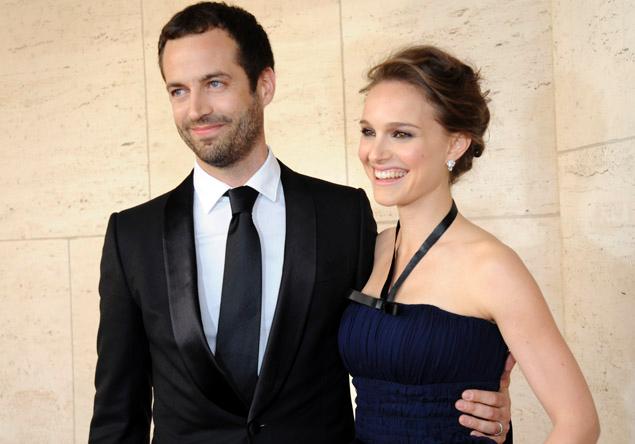
Newlyweds Natalie Portman and Benjamin Millepied
As a young lawyer, I had the privilege to clerk for federal district court judges for two years. As I sat in grandiose courtrooms, I pondered the value of the imposing architecture, the apparently antiquated customs (such as standing when the judge or jury enters the courtroom), the judge’s long black robes. It became clear that one of the important roles that the courts play in our lives is to provide the APPEARANCE of justice, and the finality of an outcome.
Let me be clear: in all of my work in the federal courts, I was consistently impressed and inspired by the dedication of everyone in the system - judges, clerks, juries, staff - to promoting a just outcome. But a just outcome alone isn’t enough - a decision rendered on a Post-It note by a clerk behind the window at the DMV won’t have the same impact as one declared by a judge in a black robe behind a huge desk in a stately courtroom.

Edward T. Gignoux U.S. Courthouse, Portland, ME
Decisions rendered by the courts with authority and finality help us organize our lives. Even if the outcome is not favorable to a particular litigant, at least that person can accept the issue as settled and move on to sorting out life as it then stands. And the outcome of litigation serves as an example and establishes guidelines for non-litigant members of the community.
Though they seem frivolous, reports about celebrity “events” have similar value in helping us evaluate and process events in our own lives. (“Ooh, that’s cool that Natalie Portman had macarons at her wedding. I like macarons, maybe I’ll serve them at my next party.”) (“Ooh, her house is nicer than mine… but my house is pretty nice considering I don’t earn millions for each film I act in and have to clean it myself.”) (“That engagement ring is really unique - I like the idea of having something out-of-the-ordinary.”) (“Wow, that’s a really messed up situation. I’m glad that didn’t happen to me.”) (“Wow, I’m glad someone else’s life is just as confused as mine.”)
Celebrity reports help us feel the perverse comfort in knowing things are working out for us even when they aren’t working out for others - schadenfreude. We can compare the dramas in our own lives to the dramas in the lives of celebrities, people we know-but-don’t-know. And we experience culture - the shared understanding or experience with members of our community outside our immediate social circles.
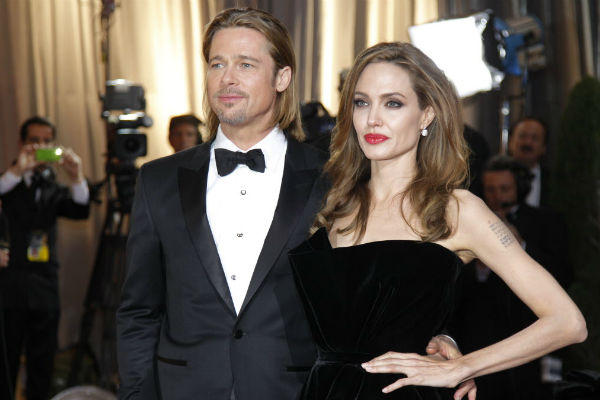
The newly engaged couple, Brad Pitt and Angelina Jolie
Obviously, mean-spirited or meddling celebrity reports are cruel and not constructive. But knowing about and being interested in the cultural events created by well-known people isn’t all mush. Like a judicial decision, there’s substance in celebrity events that helps us identify with others within our culture and filter our own life experience.
(But it’s still ok if you want to hide your copy of People inside an issue of The Economist.)