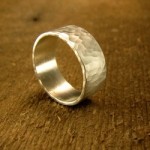
Silver is an ancient metal, with a varied and illustrious past. The elemental symbol is Ag, from the Latin word ‘Argentum’ – meaning white or shining. Discovered sometime around 4000 BCE, silver was first mined in order to make ornamental objects. The ancient Greek philosopher Hippocrates, who is known as “the father of medicine,” recognized that silver had healing and anti-microbial properties. Because of his discoveries, today silver is still sometimes used in alternative medicine as an antiseptic or antibiotic. The noble metal was a crucial component in the discovery of photography, and was also used to make mirrors. Of course, silver does a wonderful job of adorning and beautifying the human body, but it was once perhaps most widely used to make coins.
In the 11th and 12th century, in what we now call the British Isles, silver pennies were printed with a small star. A penny like this was called a steorling (most likely pronounced like “sterling”) in Old English, meaning “coin with star.” These steorlings were made up of 92.5% pure silver, with an alloy of 7.5% copper, just like sterling silver today. Silver pennies weren’t always sterling, though; Henry II of England established this standard in the 12th century because those inclined to dishonesty would trim the edges of the softer pure silver pennies and keep the small pieces for later. Sterling silver, still a beautiful precious metal, was slightly more durable and discouraged this shifty habit. Sterling is no longer used to make coins, but many recognized the advantage of a precious metal that was both beautiful and durable: two traits that are ideal in a favorite piece of jewelry!